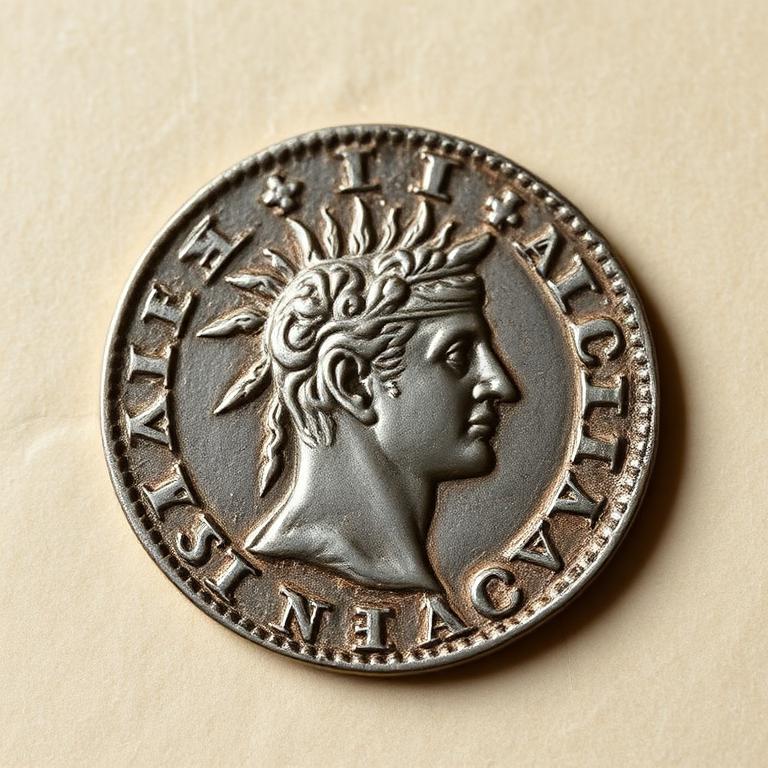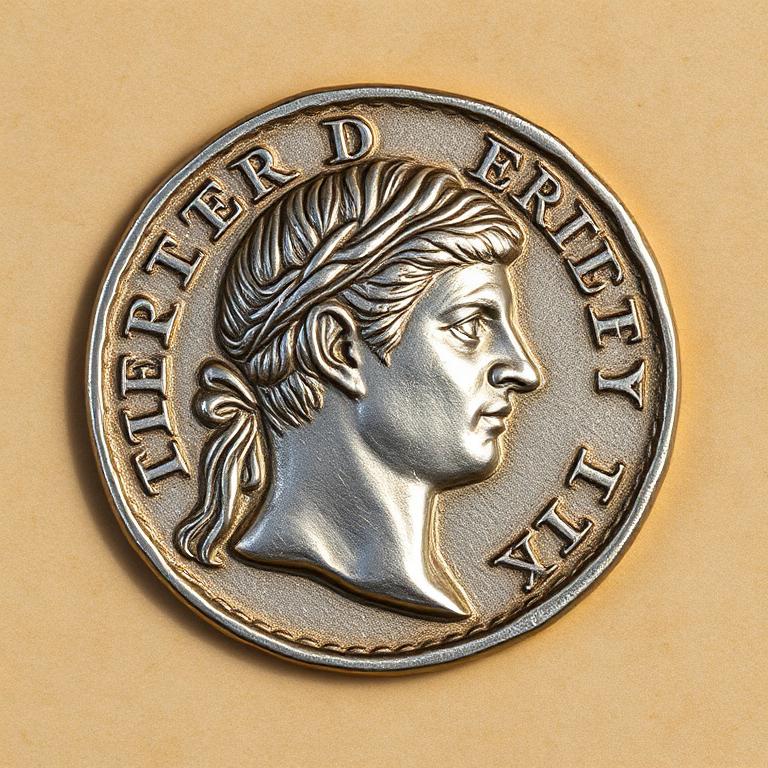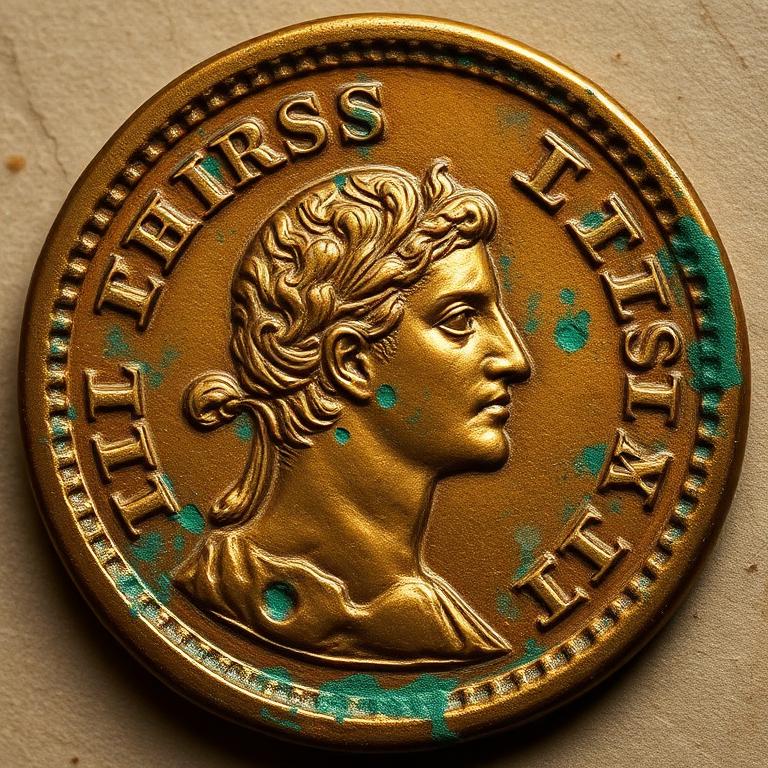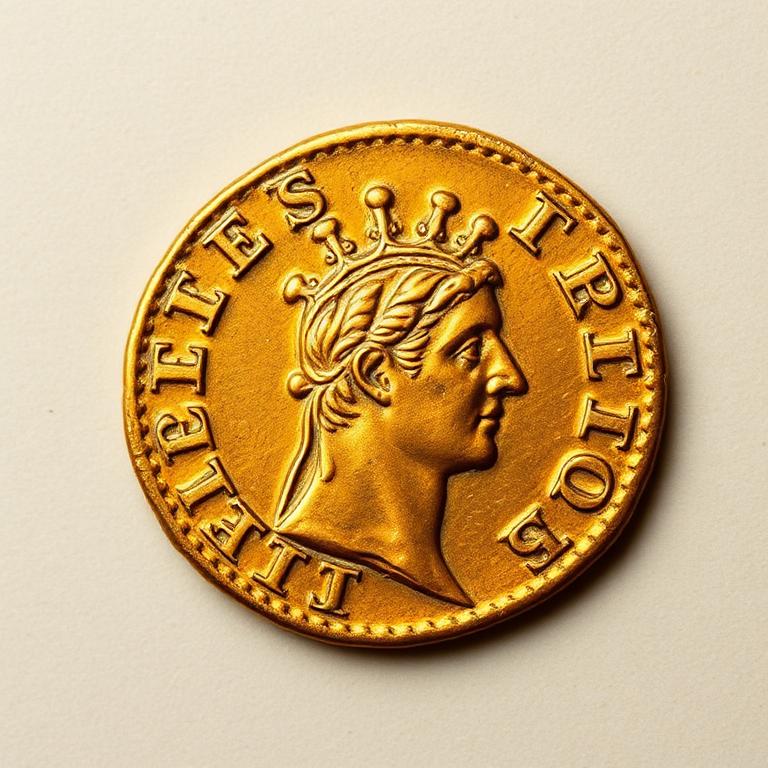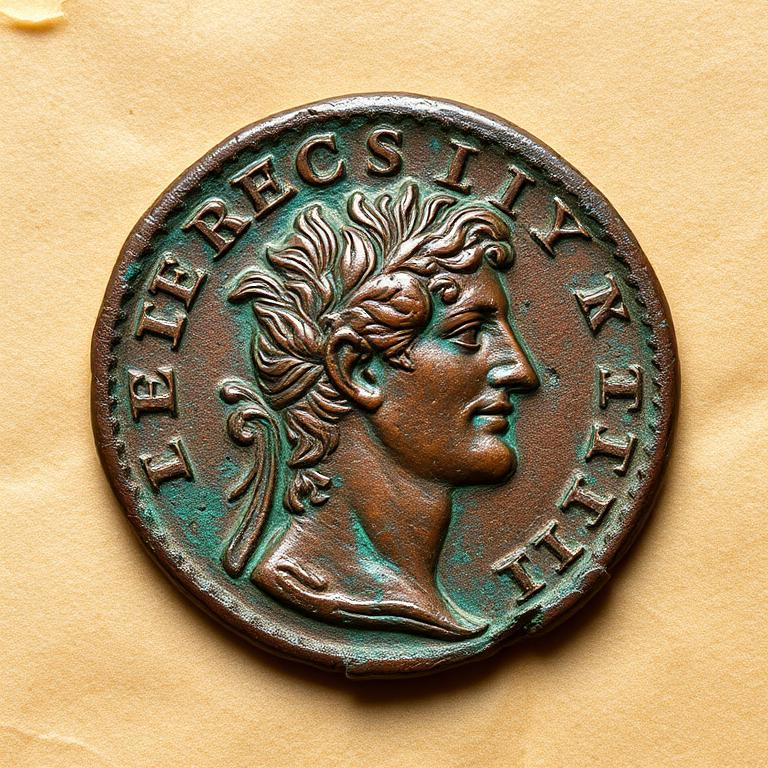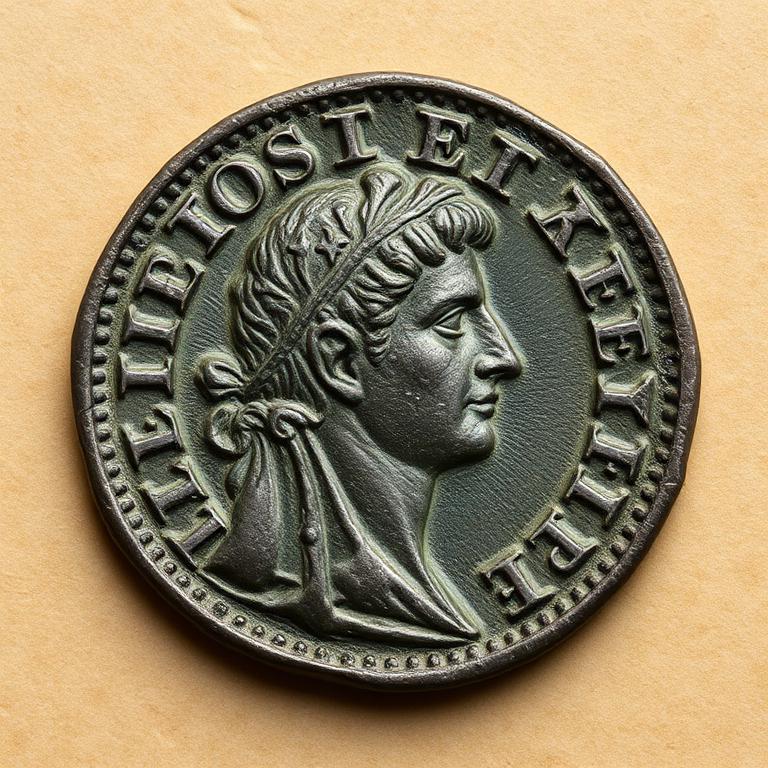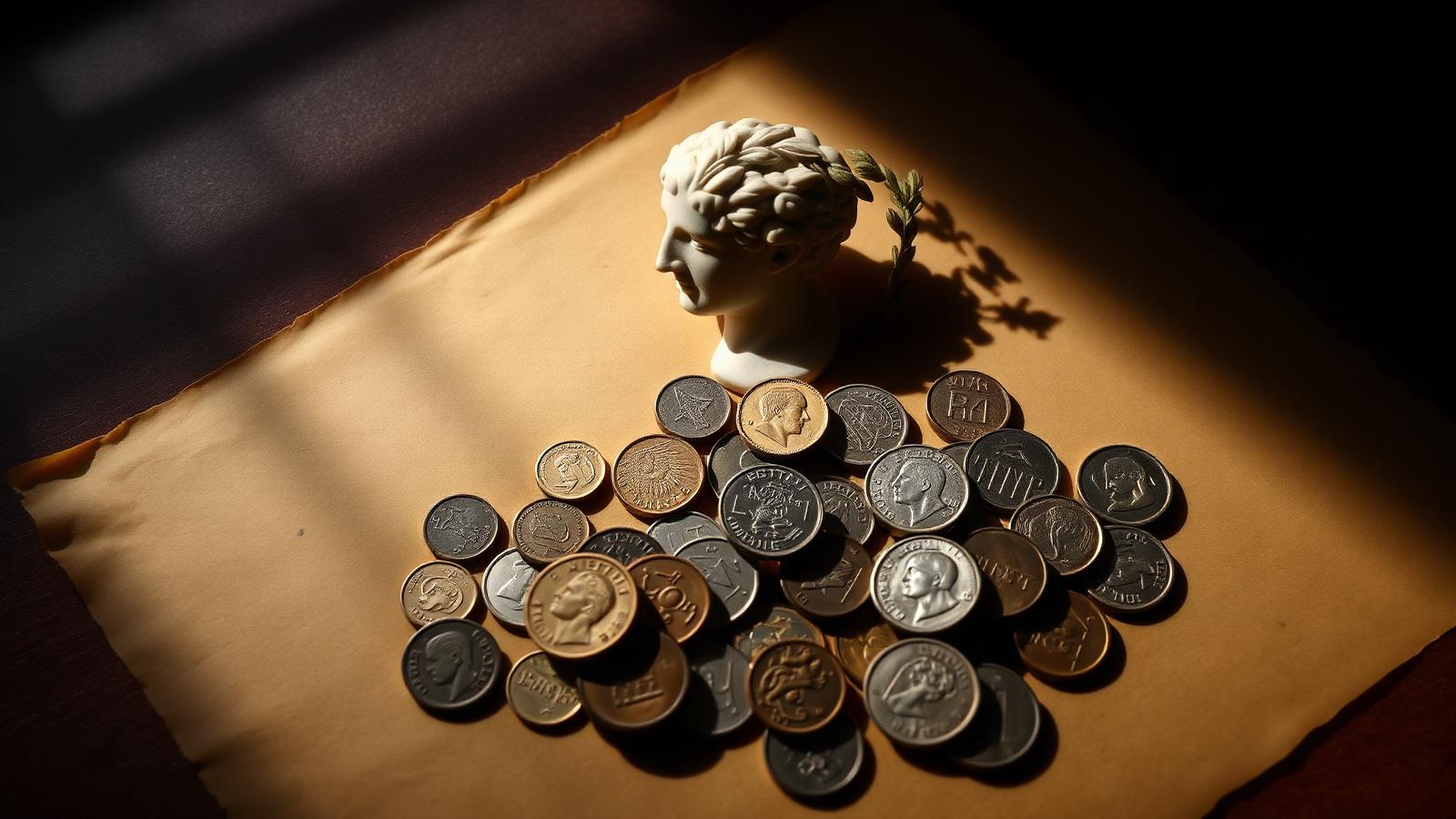
Roman coins arranged on parchment beside a marble bust

S · P · Q · R · Numismatica Imperii

Coinage of Imperial Rome

From Augustus's golden aureus to Constantine's enduring solidus — nine denominations that built, financed, and finally outlived an empire.

27 BCE
Augustan reform
9
Core denominations
700+ yrs
Solidus longevity
4 metals
Au · Ag · Æ · Cu

The Augustan Standard

1 Aureus = 25 Denarii = 100 Sestertii = 200 Dupondii = 400 Asses

The Denominations

Nine coins, three metals, five centuries of empire.

Includes images, history, convertibility & evolution.
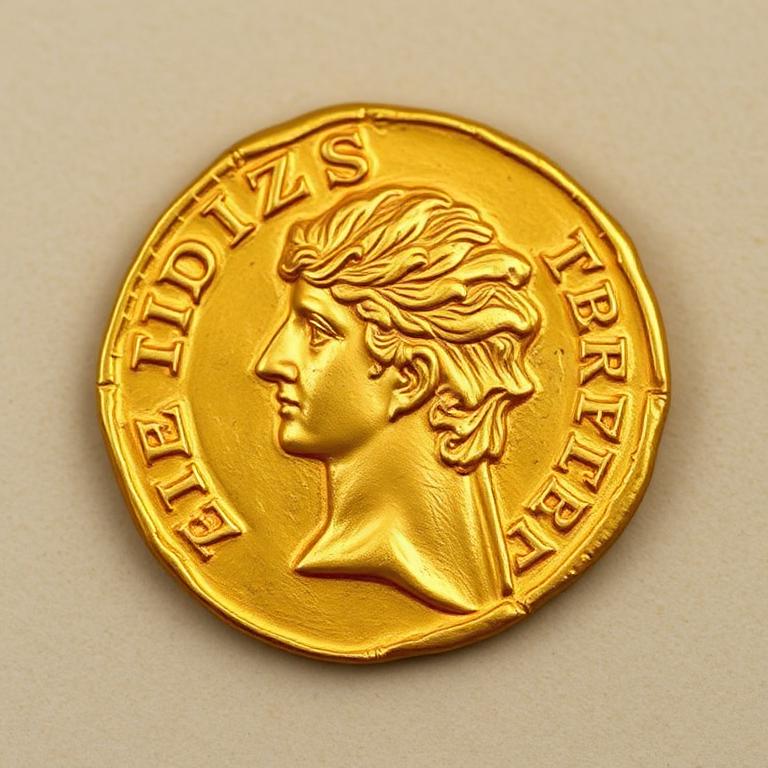
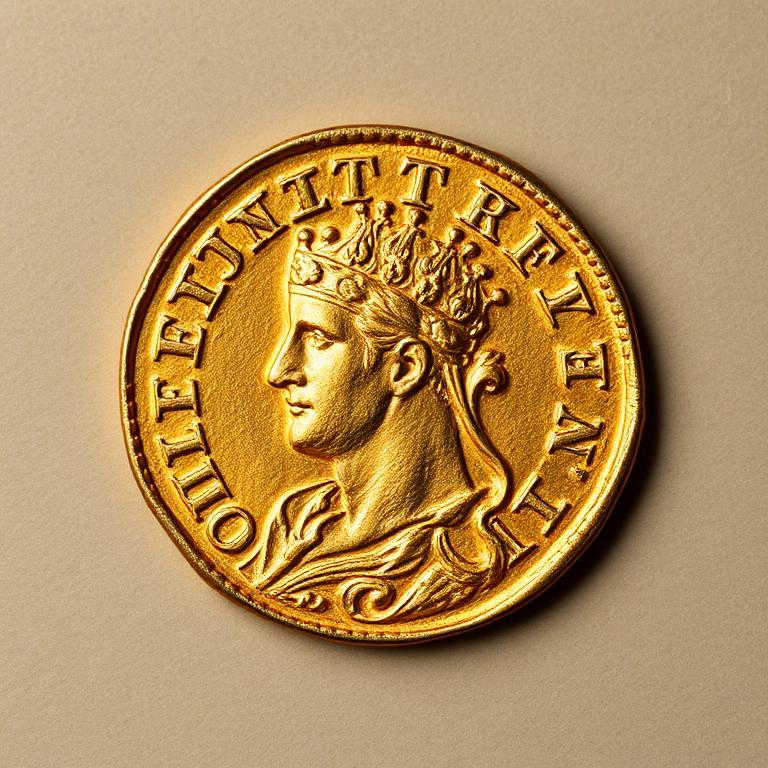
Aureus — Roman gold coin
Gold · Gold

Aureus

aurum — gold

Introduced · 1st c. BCE — standardized by Augustus, c. 27 BCEWeight · ≈ 8.0 g (Augustus) → 7.3 g (Nero) → 5.5 g (Caracalla)

Uses

High-value transactions: military bonuses (donativa), legacies, large estate sales, settlements between the imperial fiscus and senators. Soldiers were occasionally paid donatives in aurei on accession of a new emperor; the standard legionary salary, however, was reckoned in denarii.

History

Originally an irregular Republican issue, the aureus became the cornerstone of imperial gold under Augustus, who fixed its weight at 1/40 of a Roman pound. Nero's reform (64 CE) shaved it to 1/45, and successive emperors continued to clip and debase it through the third-century crisis until Diocletian, then Constantine, swept it away.

Convertibility

1 aureus = 25 denarii = 100 sestertii = 200 dupondii = 400 asses (Augustan standard).

Evolution in Value

27 BCE: 8.0 g pure gold, 25 denarii. 64 CE (Nero): reduced to 7.3 g. Severan era: ~6.5 g. Mid-3rd c.: erratic weights, sometimes struck at 70+ to the pound. 301 CE: Diocletian retariffed at 60/lb (~5.45 g). 309 CE: replaced by Constantine's solidus.
Solidus — Roman gold coin
Gold · Gold

Solidus

solidus — solid, whole

Introduced · 309 CE — Constantine I, struck at TrierWeight · ≈ 4.5 g (struck at 72 to the Roman pound)

Uses

International trade, tax payments by senators (the collatio glebalis), military stipends in the Late Empire, and large state expenditures. Its stability made it the preferred currency for long-distance Mediterranean and trans-Eurasian commerce — Byzantine bezants are direct descendants.

History

Constantine introduced the solidus to replace the failing aureus, fixing it at 72 to the Roman pound — a standard so durable it lasted, essentially unchanged, for over 700 years in the Byzantine Empire. Justinian I (6th c.) and the Comnenian dynasty maintained its purity until the 11th-c. debasement under Constantine IX.

Convertibility

1 solidus = 24 siliquae (silver) = ½ semissis × 2 = 3 tremisses. Late-imperial accounting often expressed taxes and salaries directly in solidi.

Evolution in Value

309 CE: 4.55 g, ~99% pure. 4th–6th c.: weight and fineness preserved with remarkable discipline. Becomes the Byzantine 'nomisma'; debased only after 1030 CE. The solidus is the longest-lived gold standard in monetary history.

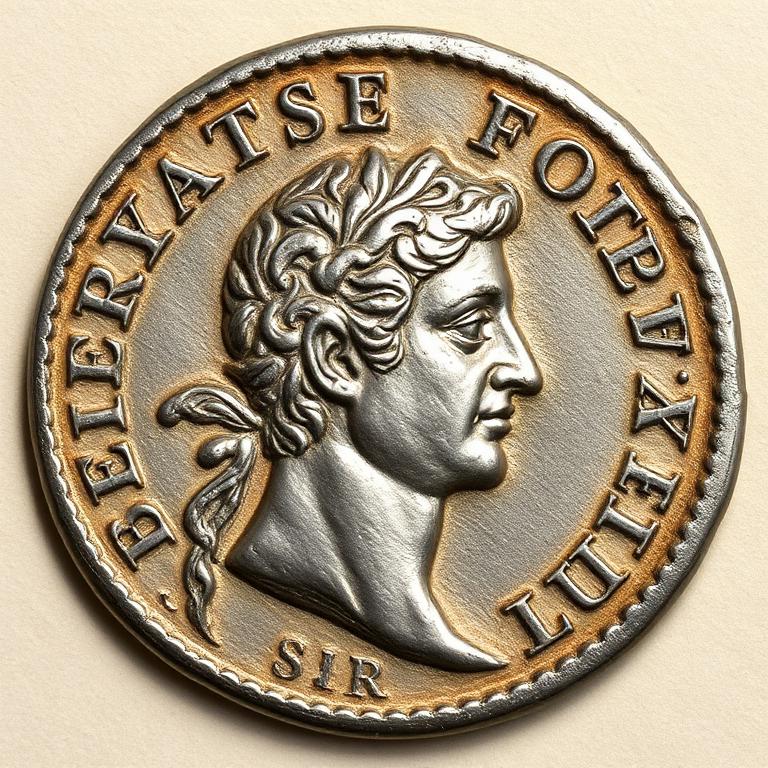
Denarius — Roman silver coin
Silver · Silver

Denarius

deni — containing ten

Introduced · 211 BCE — Second Punic WarWeight · ≈ 4.5 g (Republican) → 3.9 g (Nero) → 3.4 g (Severans)

Uses

The everyday backbone of the Roman economy. A legionary's daily pay was 1 denarius under Caesar, raised to roughly 1.25 under Domitian. Ordinary urban wages, rents, retail prices in the Forum, and the famous Edict on Maximum Prices (301 CE) were all reckoned in denarii.

History

Originally containing ten asses (hence the name), retariffed to sixteen asses around 141 BCE. For four centuries it was the most widely circulated coin in Europe, North Africa, and the Near East; archaeological hoards from Britain to India attest its reach.

Convertibility

1 denarius = 4 sestertii = 16 asses; 25 denarii = 1 aureus.

Evolution in Value

211 BCE: 4.5 g, ~98% silver. Augustus: 3.9 g, 98%. Nero (64 CE): 3.4 g, 93%. Trajan: 90%. Marcus Aurelius: 75%. Septimius Severus: 50%. By Gallienus (260s CE) the denarius had effectively vanished, replaced by the antoninianus and increasingly worthless billon.

Antoninianus — Roman silver coin
Silver · Silver → silver-washed bronze

Antoninianus

(modern name) — 'radiate'

Introduced · 215 CE — Caracalla (Antoninus)Weight · ≈ 5.1 g (Caracalla) → 2.5–3 g (3rd-c. crisis)

Uses

Tariffed at two denarii but containing only ~1.5 denarii worth of silver — a built-in seigniorage profit for the imperial mint. Used for soldier's pay, daily commerce, and increasingly as a vehicle for state-sponsored inflation. Distinguished by the radiate crown of the emperor (the 'double' marker).

History

Caracalla introduced the coin in 215 CE to fund military bonuses without sourcing more silver. Withdrawn briefly under Elagabalus and Severus Alexander, then reintroduced by Balbinus and Pupienus (238 CE). It became the dominant denomination during the Crisis of the Third Century, when its silver content collapsed.

Convertibility

1 antoninianus = 2 denarii (nominal); in practice, market exchange rates diverged sharply from the official tariff after c. 260 CE.

Evolution in Value

215 CE: ~50% silver, 5.1 g. 240s: ~40%. 260s under Gallienus: 5% silver, often a bronze coin with a microscopic silver wash. By 270 CE the coin was effectively a token. Aurelian's 274 CE reform retariffed it as the XXI/KA coin (5% silver, marked).

Argenteus — Roman silver coin
Silver · Silver

Argenteus

argentum — silver

Introduced · 294 CE — Diocletian's currency reformWeight · ≈ 3.4 g (struck at 96 to the Roman pound)

Uses

Intended as a restored, high-purity silver coin to anchor the post-crisis monetary system, parallel to the new gold aureus and bronze nummus/follis. Used in major payments, official salaries, and as a benchmark for the Edict on Maximum Prices.

History

Part of Diocletian's sweeping economic reform that also produced the follis and a re-tariffed aureus. The argenteus deliberately echoed the weight of Nero's reformed denarius, signalling a return to Augustan monetary virtue. Production was modest; surviving examples are scarce.

Convertibility

1 argenteus ≈ 100 nummi at issue; revised by 301 CE Edict to 50 denarii communes.

Evolution in Value

294 CE: 3.4 g, ~95% silver. Within a decade, fineness slipped and the coin was largely abandoned. Constantine replaced it in the 320s with the silver siliqua (≈ 2.2 g), itself struck at 96/lb but on a lighter standard, which survived alongside the solidus.

Sestertius — Roman base metal coin
Base Metal · Orichalcum

Sestertius

semis-tertius — 'two and a half'

Introduced · Augustan reform, c. 23 BCE (as a brass coin)Weight · ≈ 25–28 g — the largest regular Roman coin

Uses

Wholesale market accounting unit: rents, modest legacies, public benefactions and fines were habitually quoted in sestertii (HS). Pliny gives senatorial wealth thresholds in millions of sestertii. Its broad flan made it the preferred canvas for imperial propaganda — triumphs, harbour works, the Colosseum opening.

History

A small silver Republican coin, reborn under Augustus as a heavy brass piece using orichalcum (Latin for 'mountain copper'), a zinc-copper alloy with a striking gold colour. Production peaked in the first two centuries CE and declined sharply after the mid-third century inflation rendered it uneconomic to strike.

Convertibility

1 sestertius = 2 dupondii = 4 asses; 4 sestertii = 1 denarius; 100 sestertii = 1 aureus.

Evolution in Value

23 BCE: 25 g orichalcum, distinguishable from copper coins by colour. 1st–2nd c.: stable at ~25–27 g, magnificent reverses. Severan era: shrinking flan, copper alloys. After c. 260 CE: effectively ceased; replaced functionally by larger billon antoniniani.

Dupondius — Roman base metal coin
Base Metal · Orichalcum

Dupondius

duo + pondus — 'two pounds'

Introduced · Augustan reform, c. 23 BCEWeight · ≈ 12.5 g

Uses

Small daily transactions a step above the as: bread, wine in a popina (tavern), public bath fees, transport tolls. Distinguished from the similarly-sized copper as by both its yellow brass colour and — crucially — by the emperor's radiate crown on the obverse, the standard signal for a 'double' denomination.

History

A revival of an older Republican unit, restruck in orichalcum to differentiate it from the copper as. The radiate-crown convention introduced under Nero (c. 64 CE) made identification reliable even when surfaces were worn. Like the sestertius, it faded from production during the third-century crisis.

Convertibility

1 dupondius = 2 asses = ½ sestertius; 8 dupondii = 1 denarius.

Evolution in Value

23 BCE – c. 200 CE: stable at ~12.5 g of orichalcum. Severan period: declining standards and increased copper content. Effectively gone by 270 CE; replaced by reformed bronze under Diocletian.

As — Roman base metal coin
Base Metal · Copper

As

as, assis — 'unit'

Introduced · c. 280 BCE (cast aes grave); restruck in copper by AugustusWeight · ≈ 11 g (Augustan); originally ~324 g (libral as!)

Uses

The penny of Rome — bread loaves, a cup of cheap wine, entry to a public latrine (recorded at 1 quadrans, ¼ as), small alms. Wages of the urban poor, the price of a single sextarius of grain, and most retail prices in the Subura were quoted in asses.

History

Began life in the third century BCE as a massive cast bronze ingot of one Roman pound (libral standard), then steadily reduced through the Republic to a struck coin. Augustus restandardized it in pure copper to distinguish it from the brass dupondius. It remained the basic accounting unit for daily life through the second century CE.

Convertibility

1 as = 2 semisses = 4 quadrantes; 4 asses = 1 sestertius; 16 asses = 1 denarius.

Evolution in Value

280 BCE: 324 g cast bronze. 211 BCE (denarius reform): 54 g. By Augustus: 11 g struck copper. Trajan and Antonines: stable at ~10–11 g. Severans onward: irregular and increasingly displaced. Disappeared from active mintage by the late third century.

Follis — Roman base metal coin
Base Metal · Bronze with a thin silver wash

Follis

follis — 'bag, purse'

Introduced · 294 CE — Diocletian's reformWeight · ≈ 9–10 g at issue (rapidly reduced)

Uses

The everyday 'big coin' of the late empire, introduced to replace the worthless billon antoniniani of the third-century crisis. Used for state payments, civic transactions, and as the principal coin in the famous 301 CE Edict on Maximum Prices, where everything from a pound of pork to a litre of wine was tariffed in denarii communes payable in folles.

History

The original term in antiquity may simply have meant a sealed purse of coins; modern numismatists apply 'follis' to Diocletian's large bronze. It carried a thin silver wash to mimic value but rapidly shrank through the early fourth century as inflation outpaced reform. Constantine's monetary system dispensed with it in favour of small bronzes (centenionalis, nummus).

Convertibility

1 follis = 25 denarii communes (Diocletian's tariff). After 301 CE Edict: doubled by fiat to 50 d.c. — the first explicit recorded act of monetary devaluation in Roman law.

Evolution in Value

294 CE: 10 g, 4% silver wash. 307 CE: 7 g. 313 CE: 4 g, no silver. 330s: ~3 g — practically a token. By 348 CE the term had effectively vanished from imperial usage; small bronzes (AE3, AE4) carried daily commerce until the empire's western collapse.

Quick Reference Table

CoinMetalIntroducedWeightConvertibility
Aureus
Gold
Gold (~99% pure)1st c. BCE — standardized by Augustus, c. 27 BCE≈ 8.0 g (Augustus) → 7.3 g (Nero) → 5.5 g (Caracalla)1 aureus = 25 denarii = 100 sestertii = 200 dupondii = 400 asses (Augustan standard).
Solidus
Gold
Gold (~95–99% pure)309 CE — Constantine I, struck at Trier≈ 4.5 g (struck at 72 to the Roman pound)1 solidus = 24 siliquae (silver) = ½ semissis × 2 = 3 tremisses. Late-imperial accounting often expressed taxes and salaries directly in solidi.
Denarius
Silver
Silver (95% → < 5%)211 BCE — Second Punic War≈ 4.5 g (Republican) → 3.9 g (Nero) → 3.4 g (Severans)1 denarius = 4 sestertii = 16 asses; 25 denarii = 1 aureus.
Antoninianus
Silver
Silver → silver-washed bronze (billon)215 CE — Caracalla (Antoninus)≈ 5.1 g (Caracalla) → 2.5–3 g (3rd-c. crisis)1 antoninianus = 2 denarii (nominal); in practice, market exchange rates diverged sharply from the official tariff after c. 260 CE.
Argenteus
Silver
Silver (~95% pure)294 CE — Diocletian's currency reform≈ 3.4 g (struck at 96 to the Roman pound)1 argenteus ≈ 100 nummi at issue; revised by 301 CE Edict to 50 denarii communes.
Sestertius
Base Metal
Orichalcum (golden brass)Augustan reform, c. 23 BCE (as a brass coin)≈ 25–28 g — the largest regular Roman coin1 sestertius = 2 dupondii = 4 asses; 4 sestertii = 1 denarius; 100 sestertii = 1 aureus.
Dupondius
Base Metal
Orichalcum (golden brass)Augustan reform, c. 23 BCE≈ 12.5 g1 dupondius = 2 asses = ½ sestertius; 8 dupondii = 1 denarius.
As
Base Metal
Copper (later bronze)c. 280 BCE (cast aes grave); restruck in copper by Augustus≈ 11 g (Augustan); originally ~324 g (libral as!)1 as = 2 semisses = 4 quadrantes; 4 asses = 1 sestertius; 16 asses = 1 denarius.
Follis
Base Metal
Bronze with a thin silver wash (~4% Ag)294 CE — Diocletian's reform≈ 9–10 g at issue (rapidly reduced)1 follis = 25 denarii communes (Diocletian's tariff). After 301 CE Edict: doubled by fiat to 50 d.c. — the first explicit recorded act of monetary devaluation in Roman law.